
Products
In today's world, environmental sustainability is becoming increasingly important. Effluent treatment plants (ETPs) play a crucial role in ensuring that industries and factories discharge treated wastewater that meets the environmental standards. In this article, we will provide you with a comprehensive guide to effluent treatment plants, their features, benefits, and why they are necessary.
Effluent treatment plants are designed to treat and purify wastewater generated by industries and factories. The wastewater, also known as effluent, contains various contaminants, including heavy metals, chemicals, and organic compounds, which can be harmful to the environment and human health. ETPs use various physical, chemical, and biological processes to remove these contaminants from the effluent before discharging it into water bodies.
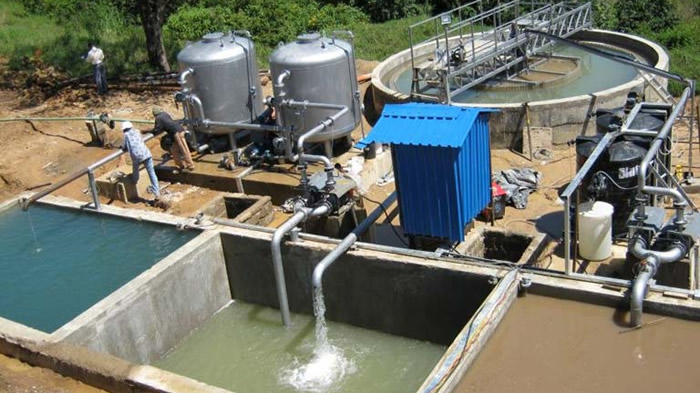
The first stage of effluent treatment involves the physical removal of large solids and other debris from the effluent. This is done through processes such as screening, sedimentation, and filtration.
In this stage, the effluent undergoes biological treatment, where microorganisms are used to break down organic matter present in the effluent. This stage can remove up to 90% of organic matter from the effluent.
Tertiary treatment involves the use of advanced technologies to remove remaining contaminants from the effluent. This stage can remove up to 99% of contaminants, including bacteria, viruses, and heavy metals.
ETPs ensure that the wastewater discharged by industries and factories meets the environmental standards, thus protecting water bodies and the environment.
ETPs help to protect human health by removing harmful contaminants from wastewater before discharging it into water bodies.
Effluent treatment plants are essential in ensuring environmental sustainability and protecting human health. They offer various features and benefits, making them a necessary investment for industries and factories. With the increasing focus on environmental sustainability, the importance of effluent treatment plants cannot be overstated.


